Proper laboratory management requires systematic evaluation of peptide storage conditions to ensure research validity. Scientists continuously measure environmental parameters to prevent molecular degradation during long-term studies. When using DSIP by AZOTH in testing, temperature control becomes vital for accurate outcome tracking. Exposure to light and moisture usually destabilizes fragile chemical bonds in synthesized compounds. Reliable test data always depends on strict adherence to standard cold storage guidelines.
Why Temperature Matters
Thermal variations easily alter molecular structures during extended observation phases. Cold environments keep compound chains stable for repeatable experiment results. Uncontrolled heat breaks down vital chemical properties very fast.
How Does Light Harm Storage
Light radiation breaks chemical bonds through continuous photooxidation processes. Shielded glass vials protect delicate mixtures from ambient rays.
- Dark glass containers prevent direct radiation damage effectively.
- Darkened storage units stop unexpected ambient light exposure completely.
- Proper box enclosures shield individual sample sets consistently.
Can Humidity Cause Degradation
Moist air introduces unwanted water particles into open sample containers. Freeze-drying techniques remove moisture risks before final tube sealing. Proper desiccant packs keep internal storage air extremely dry.
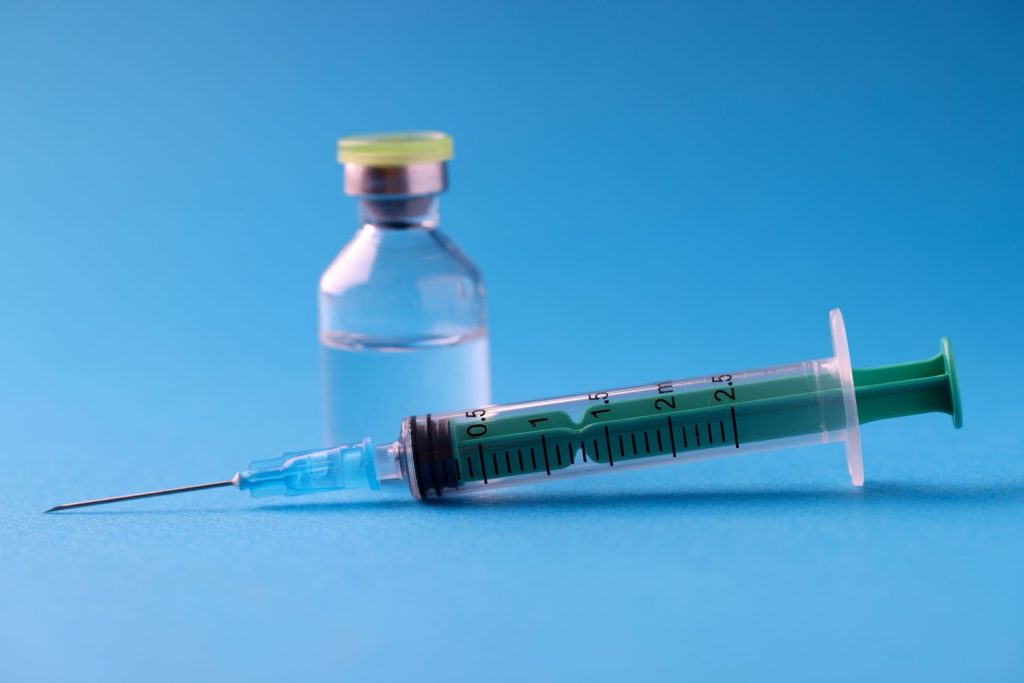
Optimal Thermal Management Guidelines
Consistent freezing keeps chemical properties stable during long storage terms. Avoid frequent thaw cycles to preserve original compound strength.
Key Degradation Risk Factors
Environmental changes harm compound purity during standard laboratory testing routines. Proper monitoring setups prevent common storage mistakes effectively.
- Temperature shifts break vital chemical bonds inside loose sample containers.
- Excess humidity causes fast moisture absorption in unsealed glass tubes.
- Air exposure accelerates standard chemical oxidation across open peptide vials.
- Direct light degrades active sample traits within brief time windows.
- Frequent handling transfers unwanted ambient heat to cold glass containers.
Core Testing Protocols
- Standard freezer units maintain necessary cold levels for sensitive peptide samples.
- Glass containers prevent chemical reactions between outer walls and active compounds.
- Tight cap seals block external airflow during extended cold storage periods.
- Accurate logbooks document everyday sample movement throughout entire study cycles.
- Calibrated sensor tools track minor climate changes inside cold storage rooms.
Careful storage management protects compound integrity during experimental tests. Consistent climate controls reduce common sample decay risks significantly. Using DSIP by AZOTH with precise protocols ensures dependable analytical results.
Essential Storage Guidance
- What is the best storage heat? Peptides stay stable inside sub-zero freezers set at steady temperatures.
- How does air affect purity? Oxygen exposure triggers rapid degradation inside open laboratory sample tubes.
Preserving Research Value
Scientific accuracy demands complete control over daily laboratory storage environments. Strict temperature monitoring prevents unexpected compound changes during long research projects. Consistent operational protocols protect valuable test materials from early degradation risks. Careful handling standards ultimately guarantee trustworthy findings across every single experiment. Standardized procedures build a strong foundation for future analytical success.